
THE PACELAB METHOD
More pace.
Every part
connected.
We start with how you create pace, your current demands and what you want to develop. That picture helps us choose the work worth prioritising.
Technical, physical, tactical and psychological coaching work together. These are PaceLab’s four coactive methods. Each drill, exercise and bowling task has a purpose, with relevant measures and feedback guiding the review.
01 / TECHNICAL
Understand how
you create pace.
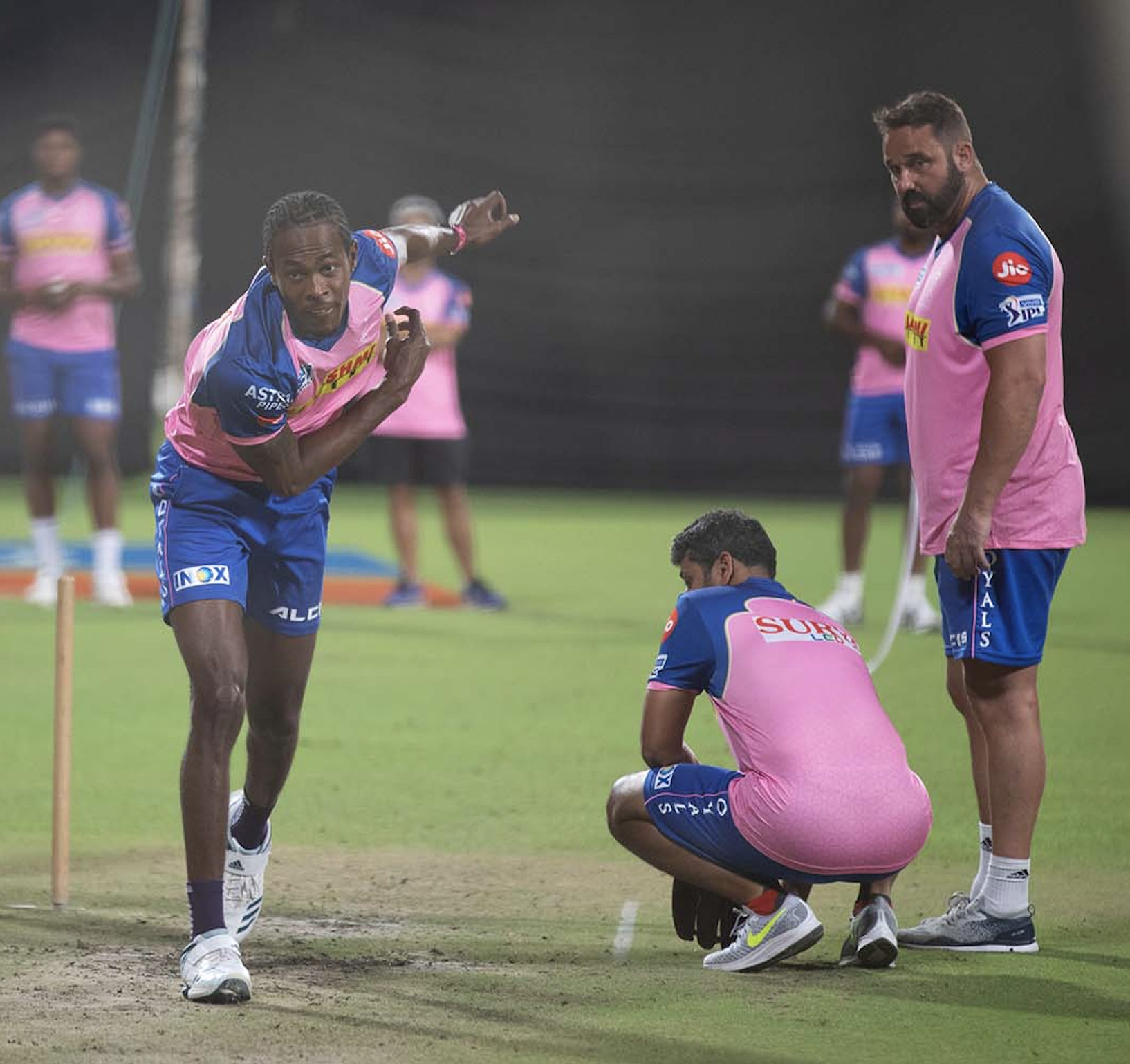
Run-up, delivery stride and release. We look at how the movement works together and what deserves attention in this bowler’s action.
From observation to practice
Use footage and assessment to choose a priority, then a task, target or constraint that gives the bowler a clear problem to solve.
What we review
What changed in the movement, how the bowler experienced it and what happened when they bowled.
02 / PHYSICAL
Give the training
a job to do.
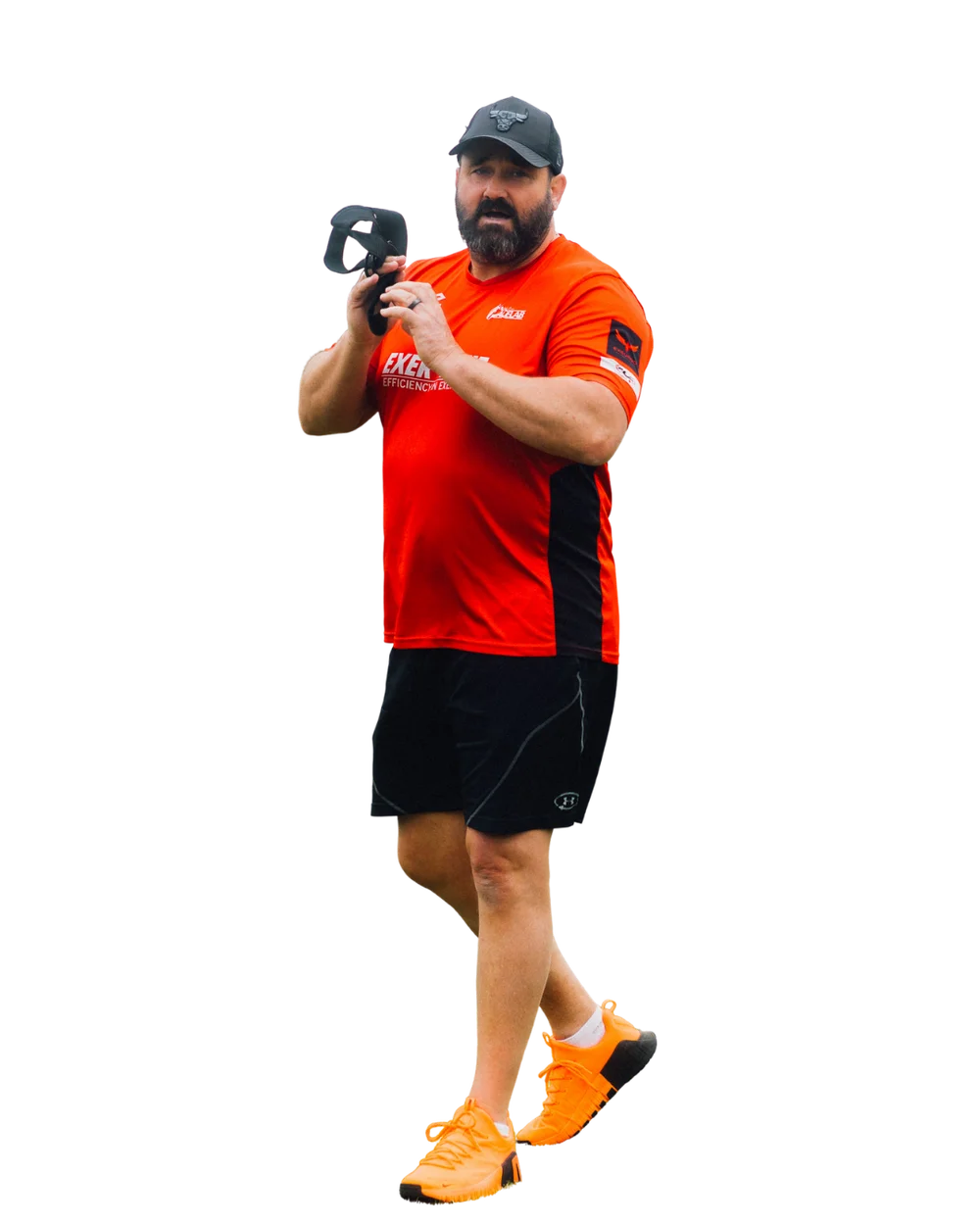
Force, speed and movement capacity are considered alongside the bowler’s action, development and training demands.
From profiling to a priority
Where physical profiling forms part of the service, it helps guide the qualities to develop and the work selected to address them.
Fit the work to the week
Give each exercise a reason, then account for nets, matches, school, club and other training when planning the load.
03 / TACTICAL
Give that
pace a purpose.
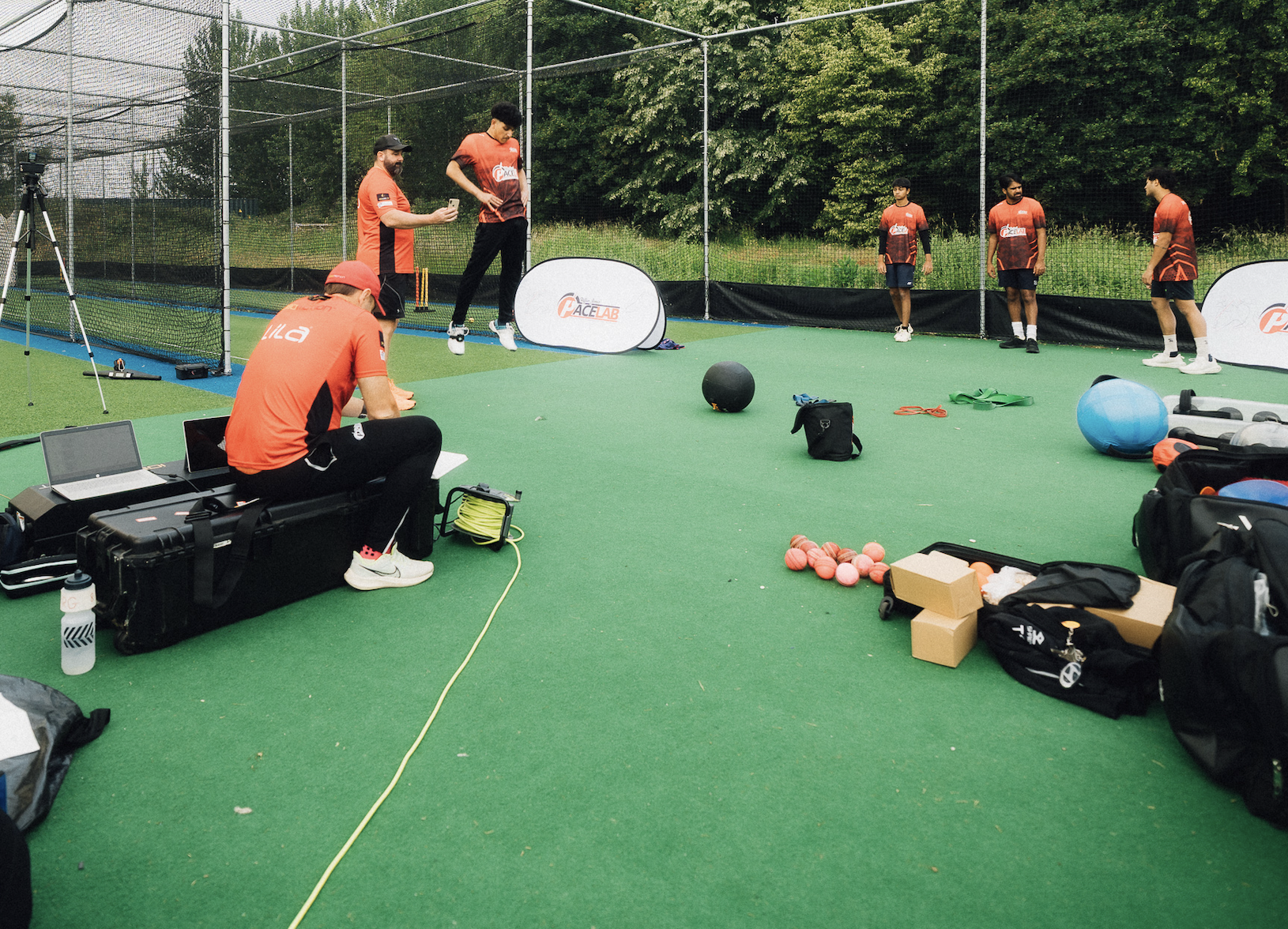
The bowler needs a plan for the delivery: the target, the batter and the situation. Practice should give them decisions to make as well as movements to repeat.
What this means in practice
Put a skill into a bowling task with a target and a clear intention. Ask the player what they are trying to make happen.
The review considers whether they can apply the skill when the task or match situation changes.
04 / PSYCHOLOGICAL
Help the bowler
own the process.
A useful plan needs to make sense to the person following it. How they learn, respond to feedback and handle a difficult spell matters to the coaching.
What this means in practice
Agree a clear focus, explain the reason for the work and give the bowler a voice in the review.
Ask what they understand, what they are finding difficult and what helps them practise with intent.
THE METHODS WORK TOGETHER
One run-up.
Four coaching questions.
Consider a bowler exploring a change to their run-up. These questions illustrate how the methods connect.
Technical: how does the approach connect with the delivery stride and release?
Physical: what does the change demand, and how does that fit the bowler’s current training?
Tactical: can the bowler use the approach while bowling to a target and a plan?
Psychological: does the bowler understand the focus and feel able to practise it?
The review brings the movement, relevant measures and the bowler’s feedback together before deciding what to keep, adapt or change.
FROM ASSESSMENT TO A COACHING DECISION
Understand. Prioritise.
Practise. Review.
01 — Understand your starting point.
Bring together your goals, bowling and training commitments, alongside the assessment included in your service.
02 — Choose the work that matters.
Agree the priority, why it matters and the practice or training task that will address it.
03 — Connect the week.
Fit the work around your cricket, other training and the level of coaching support agreed.
04 — Review what carries into bowling.
Use relevant measures, footage and player feedback to judge the response and decide what happens next.
Where the thinking began.
One bowler was lean and couldn’t bench press his own bodyweight. Another was muscular and strong. Both bowled around 80mph. That contrast led Steffan into javelin, baseball and sprinting to explore how different athletes create speed. His hip- and knee-dominant coaching framework grew from that work.
Read how PaceLab began ↗
The method, matched to your support.
Steffan Jones created the system; the PaceLab team delivers the coaching. Assessment depth, tools, planning and coach contact are confirmed in your programme offer. Explore the Player Pathway to understand the different levels of guidance and coaching.
Start With a £20 Bowling Snapshot ↗ Explore Bespoke Coaching ↗
More pace.
One connected system.
Clear priorities. Individual support.
A better direction for your bowling.
Player training
Discover PaceLab
Stay connected
Privacy & Data ProtectionCookiesTerms & ConditionsDelivery, Refunds & Returns
© 2026 PaceLab Ltd. Company no. 11702887 · VAT GB449367454