
PACELAB / POLICIES
Privacy & Data Protection
PaceLab Ltd’s Privacy and Data Protection Policy. Effective from 1 September 2026 · Version 1.0.

Effective from: 1st September 2026
Policy owner: PaceLab Ltd
Privacy contact: Ben Howe
Privacy email: [email protected]
Version: 1.0
Next review date: 1st September 2027
1. PURPOSE OF THIS POLICY
PaceLab Ltd is committed to protecting the privacy and personal information of participants, parents, carers, customers, coaches and other individuals who interact with PaceLab.
This policy explains:
What personal information PaceLab collects
Why PaceLab collects it
How that information is used
Who information may be shared with
How information is protected
How long information may be retained
The rights individuals have in relation to their information
How privacy concerns can be raised
This policy applies to PaceLab's UK operations and programmes.
2. WHO WE ARE
For the purposes of applicable data-protection law, PaceLab Ltd will normally be the data controller for personal information collected directly in connection with its programmes and services.
Company name: PaceLab Ltd Company number: 11702887 Registered office: 9 High Street, Wellington, Somerset, TA218QT
Privacy contact: Ben Howe
Privacy email: [email protected] Website: https://pacelabglobal.com There may be circumstances where another organisation acts as an independent controller or joint controller in relation to particular information. Where relevant, this will be explained separately.
3. DATA PROTECTION FRAMEWORK
PaceLab will process personal information in accordance with applicable UK data-protection and privacy legislation, including:
The UK General Data Protection Regulation
The Data Protection Act 2018
The Data (Use and Access) Act 2025 and amendments made by it
The Privacy and Electronic Communications Regulations where applicable
PaceLab will seek to ensure that personal information is:
Processed lawfully, fairly and transparently
Collected for specified and legitimate purposes
Adequate, relevant and limited to what is necessary
Accurate and kept reasonably up to date
Retained only for as long as reasonably necessary
Protected using appropriate security measures
4. WHOSE INFORMATION WE MAY COLLECT
PaceLab may process information relating to:
Participants
Prospective participants
Children and young people
Parents and carers
Adult customers
Coaches
Contractors
Volunteers
Website users
People making enquiries
Partner organisation contacts
Emergency contacts
Other individuals involved in PaceLab programmes
5. INFORMATION WE MAY COLLECT
Depending on the nature of the relationship with PaceLab, we may collect information including:
Identity Information
Name
Date of birth
Age
Gender where relevant
Athlete or participant ID
Contact Information
Email address
Telephone number
Home address where required
Parent or guardian contact information
Emergency contact information
Participant Information
School
Cricket club
County or academy involvement
Playing experience
Playing role
Training history
Programme enrolment
Attendance records
Programme preferences
Parent and Guardian Information
Parent or guardian name
Relationship to participant
Contact details
Communication preferences
Parental responsibility or authority where relevant
Health and Medical Information Where necessary for safe programme participation, PaceLab may collect information including:
Relevant medical conditions
Allergies
Medication
Injuries
Previous significant injuries
Current pain or physical limitations
Relevant disabilities
Additional support needs
Emergency medical information
Performance and Athlete Development Information This may include:
Ball speed
Bowling workloads
Physical testing results
Strength and power measurements
Sprint data
Jump data
Accuracy information
Technical assessments
Biomechanical measurements
Training programmes
Coaching notes
Athlete development targets
Performance reports
Progress assessments
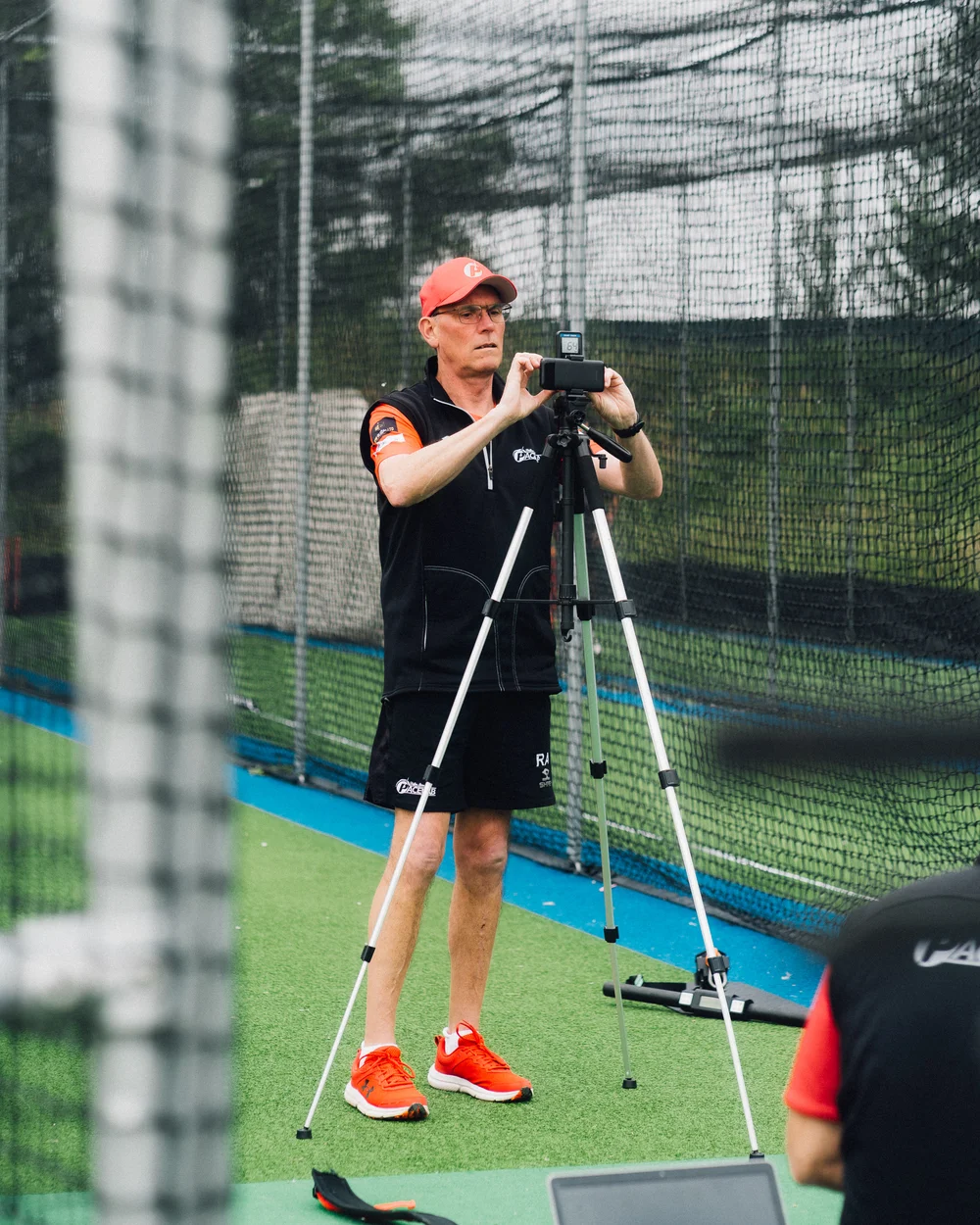
Photography and Video This may include:
Bowling footage
Batting footage
Training footage
Profiling footage
Technical analysis video
Photographs
Marketing content where permission exists
Online coaching recordings where applicable
Programme and Transaction Information This may include:
Programmes purchased
Payment status
Invoice records
Estimates
Refunds
Credits
Payment plans
Booking information
PaceLab will not normally retain full payment card details where payments are processed securely by an external payment provider.
Communication Information This may include communications through:
Email
SMS
WhatsApp
Telephone
Customer relationship management systems
Coaching platforms
Online communities
Forms and questionnaires
Safeguarding Information Where necessary, PaceLab may process information relating to:
Safeguarding concerns
Welfare concerns
Allegations
Incident reports
Low-level concerns
Safeguarding referrals
Communications with relevant authorities
Technical and Website Information Depending on the systems used, PaceLab may collect:
IP address
Device information
Browser information
Website usage information
Cookie information
Login activity
Platform usage data
6. INFORMATION ABOUT CHILDREN
A significant proportion of PaceLab participants are under 18.
PaceLab recognises that children's personal information requires particular care.
Where a participant is under 18, PaceLab will normally collect enrolment and programme information through, or with the involvement of, a parent or legal guardian.
PaceLab will seek to:
Collect only information that is reasonably necessary
Explain data use clearly
Take account of the age and understanding of the child
Apply appropriate security measures
Avoid unnecessary publication of children's information
Consider children's interests when relying on legitimate interests
Provide appropriate opportunities for children to raise privacy concerns
For PaceLab UK Academy programmes, participants under 18 are required to have their onboarding completed or authorised by a parent or legal guardian unless PaceLab expressly states otherwise.
7. HOW WE COLLECT INFORMATION
PaceLab may collect personal information:
Directly from participants
From parents or carers
Through enquiry forms
Through onboarding questionnaires
Through programme bookings
During coaching and training
Through performance testing
Through video submissions
Through coaching platforms
Through payment systems
Through email, WhatsApp or other communications
From partner organisations where appropriate
From schools, clubs or cricket organisations where there is an appropriate reason
Through website and digital platform use
From safeguarding or statutory organisations where necessary
8. WHY WE USE PERSONAL INFORMATION
PaceLab may use personal information for purposes including:
Responding to enquiries
Assessing programme suitability
Registering participants
Delivering coaching services
Managing Academy programmes
Providing individualised training
Conducting athlete profiling
Analysing performance
Monitoring athlete development
Communicating with participants and parents
Managing attendance
Processing payments
Managing customer accounts
Providing online coaching
Maintaining health and safety
Responding to medical emergencies
Safeguarding children and adults at risk
Investigating incidents or complaints
Managing photography and video permissions
Improving PaceLab programmes
Managing coaches and staff
Maintaining business records
Complying with legal and regulatory obligations
Protecting PaceLab's legal rights
Sending marketing communications where permitted
9. LAWFUL BASES FOR PROCESSING
PaceLab will identify an appropriate lawful basis for its processing of personal information.
Depending on the purpose, this may include:
Contract Where processing is necessary to provide a service that an individual has purchased or requested.
This may include:
Processing bookings
Delivering programmes
Providing coaching
Managing payments
Providing reports
Communicating about the service
Where the contractual relationship is with a parent rather than the child participant, another lawful basis may be used for the child's information where appropriate.
Legitimate Interests PaceLab may process information where this is necessary for PaceLab's legitimate interests or those of another person, provided those interests are not overridden by the individual's rights and interests.
Examples may include:
Operating and improving programmes
Maintaining appropriate customer records
Managing participant relationships
Preventing misuse of services
Maintaining security
Managing appropriate business administration
Understanding programme performance
Certain communications with existing customers
Where children are involved, PaceLab will give additional consideration to their rights and interests.
Consent PaceLab may rely on consent where appropriate.
Examples may include:
Certain marketing communications
Marketing photography and video
Particular optional uses of information
Certain processing of sensitive information where explicit consent is appropriate
Consent may be withdrawn where consent is the lawful basis relied upon.
Legal Obligation PaceLab may process information where necessary to meet a legal obligation.
Vital Interests Information may be processed where necessary to protect someone's life or physical safety in an emergency.
Recognised Legitimate Interests Where applicable under current data-protection legislation, PaceLab may rely on a recognised legitimate interest for certain specific purposes such as safeguarding vulnerable individuals.
10. HEALTH AND OTHER SPECIAL CATEGORY INFORMATION
Information concerning a person's health is treated as special category personal information.
PaceLab may need health information to:
Assess whether participation can be undertaken safely
Make reasonable adjustments
Understand relevant injuries
Plan appropriate training
Respond to medical emergencies
Maintain participant welfare
PaceLab will identify both:
An appropriate lawful basis for processing the personal information; and
An appropriate condition for processing special category information
Depending on the circumstances, this may include explicit consent, vital interests, safeguarding provisions or another condition permitted by law.
Health information will only be made available to people who reasonably need access to it.
11. SAFEGUARDING INFORMATION
PaceLab may process personal information where necessary to safeguard children or adults at risk.
Safeguarding information may be particularly sensitive.
PaceLab may process and share safeguarding information without consent where obtaining consent is inappropriate, unreasonable or could place a person at greater risk, provided an appropriate legal basis exists.
Information may be shared with organisations including:
Police
Children's social care
Adult safeguarding services
Local Authority Designated Officers
The Cricket Regulator
ECB safeguarding personnel
County or Recreational Cricket safeguarding personnel
Schools
Clubs
Venues
Other appropriate safeguarding organisations
Safeguarding information will be managed in accordance with the PaceLab Safeguarding and Child Protection Policy.
Where PaceLab relies on a legal condition requiring an Appropriate Policy Document, PaceLab will maintain the required internal documentation.
12. ATHLETE PERFORMANCE DATA
PaceLab collects and analyses athlete performance information as a central part of its coaching services.
This may include:
Technical metrics
Physical performance metrics
Ball speed
Movement information
Bowling action measurements
Workload information
Training results
Performance trends
Coaching assessments
This information may be used to:
Personalise training
Identify areas for development
Monitor progress
Compare current and historical performance
Develop training recommendations
Generate participant reports
Support coaching decisions
13. VIDEO AND BIOMECHANICAL ANALYSIS
PaceLab may collect and process video footage as part of its coaching and athlete- development services.
Footage may be used to:
Analyse bowling technique
Analyse batting technique
Conduct biomechanical assessment
Assess movement
Provide coaching feedback
Track development
Compare performance over time
Coaching footage is separate from permission to use identifiable content publicly for marketing.
Public use is governed by the PaceLab Photography, Filming and Streaming Policy.
14. THIRD-PARTY TECHNOLOGY
PaceLab uses technology providers to help deliver its programmes and operate its business.
These may include providers used for:
Customer relationship management
Athlete management
Coaching
Video analysis
Performance analysis
Strength and conditioning
Payment processing
Email
Messaging
Website hosting
Cloud storage
Forms and surveys
Accounting
Performance testing
Current key providers may include:
GoHighLevel
Onform
Volt
PitchWolf
Ludimos
Output Sports
The exact systems used may change over time.
PaceLab will seek to ensure that appropriate arrangements are in place when service providers process personal information on PaceLab's behalf.
15. SHARING INFORMATION
PaceLab does not sell participant personal information.
PaceLab may share information where reasonably necessary with:
Coaches and authorised staff
Technology providers
Payment providers
Accountants and professional advisers
Partner coaching organisations
Schools or clubs where appropriate
Venue operators where necessary
Safeguarding organisations
Insurers
Legal advisers
Regulators
Police and statutory authorities
Other organisations where required by law
Only information reasonably necessary for the relevant purpose should be shared.
16. PACELAB COACHES
PaceLab coaches may require access to participant information in order to provide appropriate coaching.
Depending on their role, this may include:
Participant name
Age
Training history
Relevant health information
Injury information
Performance data
Training programme
Coaching footage
Attendance information
Relevant parent contact information
Coaches should only access information required for their role.
17. PARTNER ORGANISATIONS
Some PaceLab programmes may be delivered with:
Schools
Cricket clubs
Academies
Coaching organisations
Venues
Specialist service providers
Where information needs to be shared with a partner, PaceLab will consider:
Why the information needs to be shared
What information is necessary
Which organisation is responsible for the information
Appropriate privacy arrangements
Any contractual requirements
A partner organisation may sometimes act as an independent data controller for information it processes for its own purposes.
18. PITCHWOLF AND OTHER ANALYSIS PARTNERS
Where athlete information or video is shared with an approved analysis provider, participants should be informed of the purpose.
Information shared should be limited to what is reasonably required for:
Technical analysis
Performance assessment
Report generation
Athlete profiling
Delivery of the relevant service
Where the third party wishes to use information for its own independent marketing or another separate purpose, an appropriate legal basis and privacy arrangement must exist.
19. INTERNATIONAL DATA TRANSFERS
Some PaceLab technology providers may process or store information outside the United Kingdom.
Where personal information is transferred internationally, PaceLab will seek to ensure that an appropriate legal mechanism or safeguard is in place where required.
This may include:
Transfers to countries recognised as providing adequate protection
Approved contractual protections
The UK International Data Transfer Agreement
The UK Addendum to approved contractual clauses
Another legally permitted transfer mechanism
PaceLab will consider international transfers as part of its assessment of technology providers.
20. PAYMENT INFORMATION
Payments may be processed by external payment service providers.
PaceLab will normally receive information such as:
Payment status
Transaction amount
Date of payment
Customer name
Relevant invoice or transaction reference
PaceLab should not retain full card details where these are processed by an approved external payment provider.
21. DIRECT MARKETING
PaceLab may send information about relevant programmes, services or opportunities where permitted by applicable law.
Marketing may be sent through channels such as:
Email
SMS
WhatsApp
Other appropriate communication platforms
Where consent is legally required, PaceLab will obtain appropriate consent.
Where another lawful basis is available, PaceLab will ensure the relevant requirements are met.
Individuals may opt out of marketing communications at any time.
Opt-out requests should be sent to:
[email protected] or made using any unsubscribe function provided.
Operational communications about an active programme are not necessarily marketing and may still be sent where needed to deliver the service.
22. PHOTOGRAPHY AND MARKETING
Identifiable photographs or videos may be used for marketing where appropriate permission exists.
Possible uses include:
Social media
Website
Brochures
Advertising
Promotional videos
Case studies
Programme communications
Marketing consent is separate from normal programme participation.
A participant will not be excluded from a programme merely because they decline marketing photography consent.
Further information is provided in the PaceLab Photography, Filming and Streaming Policy.
23. WITHDRAWING CONSENT
Where PaceLab relies on consent, that consent may be withdrawn.
Withdrawal does not make processing that took place before withdrawal unlawful.
Requests may be sent to:
[email protected] Where marketing photography consent is withdrawn, PaceLab will take reasonable steps to prevent new use of the material and, where reasonably practicable, remove existing digital content under its control.
24. DATA ACCURACY
PaceLab will take reasonable steps to keep relevant personal information accurate.
Participants and parents are responsible for informing PaceLab where important information changes.
This is particularly important for:
Contact information
Emergency contacts
Medical information
Injuries
Allergies
Medication
Parent or guardian information
Information may be updated through PaceLab's onboarding or account-management systems where available.
25. DATA SECURITY
PaceLab will take reasonable technical and organisational measures to protect personal information.
Measures may include:
Password-protected systems
Controlled user access
Appropriate account permissions
Secure cloud systems
Multi-factor authentication where available
Staff access controls
Secure storage
Data backup arrangements
Appropriate provider selection
Internal confidentiality expectations
Removal of access when staff leave or change roles
Access to sensitive participant information should be limited to individuals with a legitimate need to know.
26. PERSONAL DEVICES
Staff and coaches should avoid unnecessarily storing participant information on personal devices.
Where personal devices are legitimately used for PaceLab activity:
Appropriate security should be enabled
Participant information should not be shared through inappropriate channels
Sensitive information should not be retained unnecessarily
Information should be moved to approved PaceLab systems where appropriate
Access should be removed when no longer required
27. DATA BREACHES
A personal data breach may include:
Information sent to the wrong person
Lost or stolen devices containing personal information
Unauthorised system access
Accidental publication
Loss of records
Cybersecurity incidents
Inappropriate disclosure of participant information
Staff and coaches must report suspected personal data breaches promptly to:
Privacy contact: Ben Howe Email: [email protected] PaceLab will assess the incident and take appropriate action.
Where legally required, PaceLab will notify the Information Commissioner's Office and affected individuals within applicable legal timescales.
28. RETENTION
PaceLab will not keep personal information for longer than reasonably necessary.
Retention periods will depend on:
The purpose for which information was collected
The participant's relationship with PaceLab
Safeguarding requirements
Legal and regulatory requirements
Insurance requirements
Financial and accounting requirements
Potential legal claims
Ongoing athlete-development value
PaceLab should maintain a more detailed internal retention schedule.
Suggested standard retention periods include:
Enquiry information where no programme is purchased: 2 Years General customer and programme records: 6 Years Financial and transaction records: Normally 6 Years Participant onboarding records: Duration of Relationship + 6 Years Coaching and technical analysis footage: Active relationship plus 2 years Profiling and biomechanical footage: Active relationship plus 3 years Performance tracking footage: Active relationship plus 3 years Unused raw marketing footage: Up to 12 months Marketing content selected for ongoing use: Up to 3 years before review Online coaching recordings: Up to 90 days unless intentionally retained as part of the coaching record Safeguarding information: In accordance with PaceLab's safeguarding retention requirements Marketing contact information: Until consent is withdrawn, the individual objects, or the information is no longer reasonably required, subject to keeping an appropriate suppression record where necessary PaceLab may retain information for longer where there is a specific legal, safeguarding, insurance or dispute-related reason.
29. DELETION AND ANONYMISATION
At the end of the relevant retention period, information should be:
Securely deleted
Destroyed
Anonymised
Or reviewed and retained only where there is a documented reason for continued retention
Information held within secure backup systems may not be capable of immediate individual deletion but should not ordinarily be restored or used except as part of legitimate backup recovery procedures.
30. INDIVIDUAL RIGHTS
Depending on the circumstances and applicable law, individuals may have rights including:
The right to be informed about how their information is used
The right to access personal information
The right to correct inaccurate information
The right to request deletion in certain circumstances
The right to restrict processing in certain circumstances
The right to object to certain processing
The right to data portability in certain circumstances
Rights relating to automated decision-making where applicable
The right to withdraw consent where consent is relied upon
These rights are not absolute and may not apply in every circumstance.
31. ACCESS REQUESTS
Individuals may request access to personal information PaceLab holds about them.
Requests should be sent to:
Privacy contact: Ben Howe Email: [email protected] PaceLab may need to confirm the identity of the person making the request before releasing information.
Where a parent requests information about a child, PaceLab will consider the child's age, understanding, privacy rights and the circumstances of the request.
32. CHILDREN'S DATA RIGHTS
Children have data-protection rights in their own right.
As children become older and more capable of understanding how their information is used, PaceLab will take their views and privacy rights increasingly into account.
A parent's authority to act on behalf of a child will therefore be considered in light of:
The child's age
Their understanding
The nature of the information
The purpose of the request
Safeguarding considerations
33. REQUESTS FOR DELETION
Individuals may request deletion of their information in certain circumstances.
PaceLab may not be able to delete information where there is a valid reason to retain it.
This may include:
Legal requirements
Safeguarding records
Financial records
Establishment, exercise or defence of legal claims
Information required to manage an ongoing dispute
Another lawful reason for continued retention
Where information cannot be deleted, PaceLab will explain this where appropriate.
34. AUTOMATED DECISION-MAKING AND AI
PaceLab may use technology to assist with:
Athlete profiling
Performance analysis
Training recommendations
Technical assessment
Administrative workflows
PaceLab does not intend to make significant decisions about participants solely through automated processing without appropriate safeguards.
Where PaceLab introduces technology that makes solely automated decisions producing legal or similarly significant effects, appropriate safeguards will be applied in accordance with applicable law.
PaceLab coaching decisions should normally involve appropriate human judgement.
35. ARTIFICIAL INTELLIGENCE
PaceLab may use artificial intelligence or machine-assisted technology as part of coaching, analysis or business operations.
Where personal information is processed through such systems, PaceLab will consider:
The purpose of processing
The information being used
The technology provider
Security
Accuracy
Participant privacy
Children's interests
Appropriate human oversight
Any applicable data-protection requirements
PaceLab staff must not upload confidential participant information into unapproved public artificial-intelligence systems without appropriate authorisation.
36. COOKIES AND WEBSITE TECHNOLOGY
PaceLab's website may use cookies and similar technologies.
These may be used for purposes including:
Essential website functionality
Security
Analytics
Remembering preferences
Marketing where permitted
Where legally required, users will be given appropriate choices regarding non-essential cookies.
More detailed information may be provided in a separate Cookie Policy.
37. CONFIDENTIALITY
PaceLab expects staff, coaches and contractors to respect the confidentiality of personal information.
Information about participants should not be discussed unnecessarily with:
Other parents
Other participants
Unauthorised coaches
Friends or family members
External organisations
Information should only be shared where there is an appropriate operational, legal or safeguarding reason.
38. SAFEGUARDING OVERRIDES NORMAL CONFIDENTIALITY
PaceLab cannot promise absolute confidentiality where information indicates that:
A child may be at risk
An adult at risk may be at risk
Another person may be in danger
A serious safeguarding concern exists
Where necessary and lawful, information may be shared with appropriate safeguarding or statutory organisations without the consent of the participant or parent.
Further details are contained within PaceLab's Safeguarding and Child Protection Policy.
39. COMPLAINTS ABOUT PERSONAL INFORMATION
Anyone with concerns about how PaceLab has handled their personal information should initially contact:
Privacy contact: Ben Howe Email: [email protected] PaceLab will seek to investigate and respond appropriately.
Individuals also have the right to raise concerns with the UK's data-protection regulator, the Information Commissioner's Office.
Information Commissioner's Office Website: www.ico.org.uk
40. DATA PROTECTION COMPLAINT PROCEDURE
Where PaceLab receives a complaint concerning its processing of personal information, PaceLab will:
1. Record the complaint.
2. Acknowledge it appropriately.
3. Review the relevant processing.
4. Gather information necessary to understand the concern.
5. Respond to the individual.
6. Take corrective action where appropriate.
7. Record the outcome.
8. Cooperate with the Information Commissioner's Office where required.
41. STAFF TRAINING AND RESPONSIBILITY
Relevant PaceLab staff should receive appropriate guidance or training concerning:
Confidentiality
Secure handling of participant information
Safeguarding information
Health information
Photography and video
Data breaches
Individual rights
Appropriate use of digital systems
Anyone with access to personal information is responsible for handling it appropriately.
42. DATA PROTECTION BY DESIGN
Where PaceLab introduces a new:
System
Programme
App
Technology provider
Data collection process
Performance-analysis tool
Artificial-intelligence system
PaceLab should consider privacy and data protection during the planning stage rather than after implementation.
Where processing is likely to create a high risk to individuals, PaceLab will consider whether a Data Protection Impact Assessment is required.
43. THIRD-PARTY CONTRACTS
Where another company processes personal information on PaceLab's behalf, PaceLab should ensure an appropriate contractual arrangement exists where required.
PaceLab should consider:
Confidentiality
Security
Permitted processing
Data retention
Data deletion
International transfers
Sub-processors
Data breaches
Assistance with individual rights
44. CHANGES TO THIS POLICY
PaceLab may update this policy where:
Data-protection law changes
Regulatory guidance changes
PaceLab introduces new systems
PaceLab introduces new programmes
Data-processing practices change
New technology is introduced
Operational experience identifies a need for improvement
Where a change materially affects how existing participant information is used, PaceLab will provide appropriate information about that change.
45. RELATIONSHIP WITH OTHER PACELAB POLICIES
This policy should be read alongside:
PaceLab Programme Terms and Conditions
PaceLab Safeguarding and Child Protection Policy
PaceLab Participant and Parent/Carer Code of Conduct
PaceLab Health and Safety Policy
PaceLab Photography, Filming and Streaming Policy
PaceLab Cookie Policy where applicable
Relevant participant consent and onboarding forms
46. KEY CONTACTS
PaceLab Ltd Registered office: 9 High Street, Wellington, Somerset, Ta218QT Company number: 11702887 Privacy and Data Protection Name/Role: Ben Howe Email: [email protected] Telephone: 07557768663 Safeguarding Designated Safeguarding Lead: Ben Howe Email: [email protected] Information Commissioner's Office Website: www.ico.org.uk
47. POLICY REVIEW
Policy owner: PaceLab Ltd Privacy lead: Ben Howe Approved by: Steffan Jones Effective date: 1st September 2026
Next review date: 1st September 2027 This policy will be reviewed at least annually or sooner where:
Relevant legislation changes
Regulatory guidance changes
PaceLab's data use changes materially
A significant data incident occurs
A new technology or processing activity is introduced
More pace.
One connected system.
Clear priorities. Individual support.
A better direction for your bowling.
Player training
Discover PaceLab
Stay connected
Privacy & Data ProtectionCookiesTerms & ConditionsDelivery, Refunds & Returns
© 2026 PaceLab Ltd. Company no. 11702887 · VAT GB449367454